info@harmanismed.gr

Diathermia
Diathermia
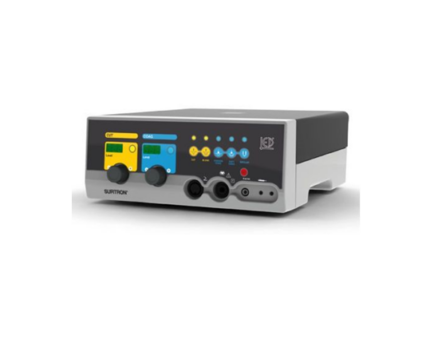
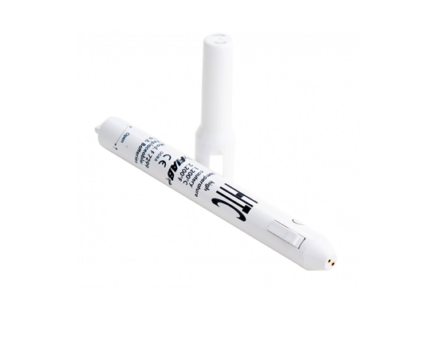
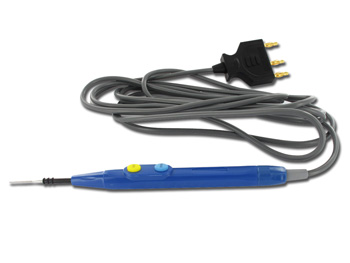
Unipolar and bipolar diathermies for cutting and coagulation of tissues through heat, cauterization, removal of moles and others. There are also diathermies of one or more uses in pen form.
An electrosurgical unit – diathermy consists of a generator and a handle with one or more electrodes. The device is controlled using a switch on the handle or a foot switch. Devices intended for surgical cutting and control of bleeding causing clotting (hemostasis) in the operating room. Diathermy is commonly used in dermatology, gynecology, cardiology, plastic, ophthalmology, orthopedics, urology, as well as spine, ENT, maxillofacial surgery and neurosurgery.
In unipolar diathermy, the active electrode is placed at the surgical site and the patient’s return electrode is grounded at another point on the patient with a large surface area. The current passes through the patient from the active electrode to the ground in order to create a circuit and proceed with the process of cutting the tissue.
In bipolar diathermy, both the function of the active electrode and the return electrode are performed at the site of surgery. The two ends of the tongs perform the active and return electrode functions. Only the tissue held in the forceps is included in the electrical circuit. Because the return operation is performed from one end of the forceps, a patient return electrode is not required. Bipolar diathermy works regardless of the medium in which it is used, allowing coagulation in a humid environment.